
The morning rush can be one of the hardest parts of the day for families.
The bags are packed.
Shoes are missing.
Everyone is trying to get out the door.
And then, as you arrive at childcare, your child starts crying.
They hold onto your hand.
They ask you not to leave.
They become upset even though yesterday they happily played with their friends and educators.
For many parents, this moment can feel overwhelming and emotional.
You may wonder:
“Are they unhappy here?”
“Am I doing something wrong?”
“Should I stay longer?”
The good news is that tears at childcare drop-off are extremely common, especially during periods of change or development. In many cases, crying is not a sign that your child is struggling with childcare — it is a sign that they have a strong attachment to you.
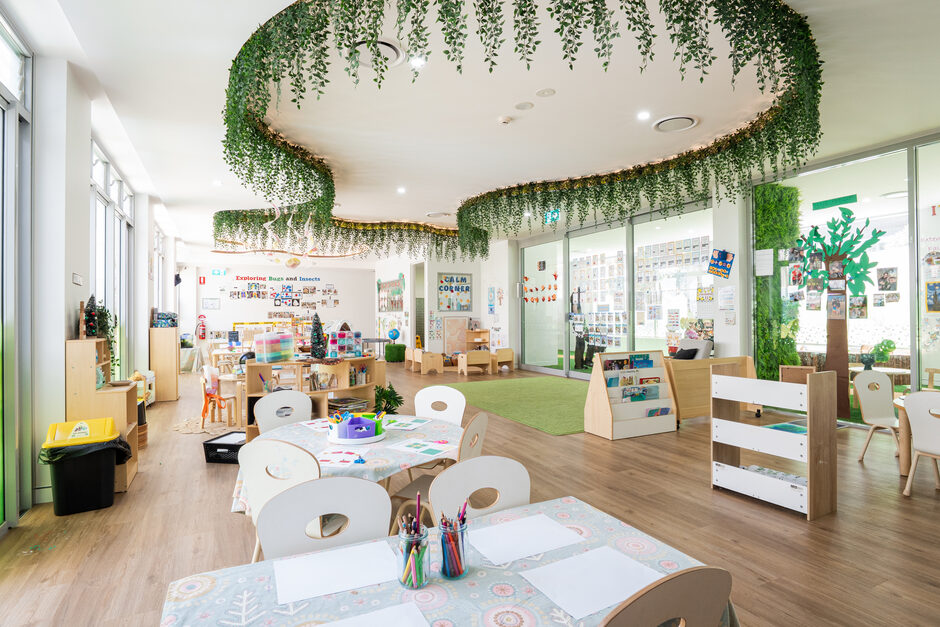
At Nurtured Education & Care, located at 8 Monash Road, Gladesville NSW 2111, we support families throughout Gladesville, Ryde, Hunters Hill, Putney, Meadowbank, Tennyson Point, Boronia Park and surrounding suburbs through every stage of their child’s early learning journey.
Our educators understand that transitions take time. Through consistent routines, secure relationships and emotional support, children gradually learn that childcare is a safe, familiar and enjoyable place to be.
Why Do Children Cry at Childcare Drop-Off?
Separation can be a big emotional experience for young children.
For adults, we understand:
“I'm leaving now, but I'll come back this afternoon.”
Young children are still developing their understanding of time, routines and emotional regulation.
They may not yet fully understand that:
- Mum or Dad will return;
- the goodbye is temporary;
- they are safe without their parent nearby.
The tears are often their way of communicating:
“I feel unsure right now.”
“I need reassurance.”
“I am finding this change difficult.”
Crying is not bad behaviour.
It is communication.
Separation Anxiety Is a Normal Part of Development
Separation anxiety is a natural part of early childhood development.
It often appears because children have formed strong emotional bonds with their parents and caregivers.
This attachment is actually a positive sign.
A child who feels deeply connected to their family is more likely to explore the world confidently when they know they have a secure place to return to.
Separation anxiety may happen:
- when starting childcare;
- after holidays;
- after illness;
- when moving rooms;
- when routines change;
- during developmental milestones.
Even children who have attended childcare for years can experience moments of uncertainty.
Why Children Can Cry at Drop-Off but Be Happy Five Minutes Later
One of the most common things educators hear from parents is:
“They cried when I left. Are they okay?”
Often, children settle very quickly after their parent leaves.
This happens because the drop-off moment itself is the hardest part.
Once the goodbye has happened, children can redirect their attention towards:
- a favourite activity;
- an educator;
- a friend;
- a toy;
- a morning routine.
It is similar to adults feeling nervous before starting something new, then relaxing once they become involved.
Educators at Nurtured Education & Care are experienced in supporting these transitions and helping children move from separation into connection and play.
The Importance of a Consistent Goodbye Routine
Children thrive on predictability.
A consistent drop-off routine helps children understand what is happening and what comes next.
A simple routine might include:
- Arrive calmly.
- Give your child a warm greeting.
- Help them put belongings away.
- Share a predictable goodbye phrase.
- Offer a hug or high-five.
- Leave confidently.
The routine itself becomes reassuring.
Children begin to understand:
“This is what happens every day.”
“Mum or Dad leaves, and they always come back.”
Why Long Goodbyes Can Make Separation Harder
It is natural to want to stay when your child is upset.
Every parent wants to comfort their child.
However, extended goodbyes can sometimes make the transition more difficult.
When parents repeatedly return for extra hugs, explanations or reassurance, children may become unsure whether the goodbye has actually happened.
A short, loving and confident goodbye often sends the strongest message:
“You are safe. I trust this place. I know you will have a good day.”
How Educators Help Children During Drop-Off
The relationship between children and educators plays a huge role in helping children feel secure.
At Nurtured Education & Care, educators support children by:
- greeting them warmly;
- acknowledging their feelings;
- offering comfort;
- helping them join activities;
- connecting them with friends;
- creating predictable routines.
Rather than dismissing emotions, educators help children understand and manage them.
A child might hear:
“I know you miss Mum. She will come back after afternoon tea. Would you like to help me water the plants?”
This helps children move from distress towards confidence.
Practical Tips to Make Childcare Drop-Off Easier
1. Talk Positively About Childcare at Home
Children pick up on adult emotions.
Talk about childcare as a positive place:
“You get to see your friends today.”
“I wonder what you will create today.”
“Your educators will be excited to see you.”
Avoid creating anxiety by repeatedly asking:
“Are you going to cry today?”
Instead, focus on confidence and routine.
2. Create a Predictable Morning Routine
Rushed mornings can increase stress.
Where possible:
- prepare bags the night before;
- allow extra time;
- keep mornings calm;
- follow the same steps each day.
Predictability helps children feel secure.
3. Bring a Comfort Item When Appropriate
Some children benefit from a familiar item such as:
- a small family photo;
- a comfort toy;
- a favourite object.
These reminders can provide emotional reassurance while children build confidence.
4. Allow Your Child to Build Relationships Slowly
Every child settles differently.
Some children walk straight into the room.
Others need more time observing before joining activities.
Neither approach is wrong.
Educators support children at their own pace while encouraging connection and participation.
5. Stay Calm and Confident
Children often look to adults for emotional cues.
If parents appear worried or unsure, children may sense that childcare feels like something to fear.
A calm goodbye communicates:
“I know you are safe.”
“I trust your educators.”
“I know you can do this.”
What If My Child Cries Every Day?
Daily tears can feel exhausting, but it does not automatically mean something is wrong.
Some children are simply more sensitive to transitions.
Consider:
- How does your child settle after you leave?
- Do they engage in activities?
- Do they form relationships with educators?
- Do they talk positively about childcare at home?
A child can experience difficult goodbyes while still having a positive childcare experience.
Communication with educators is important.
They can provide insight into how your child spends their day and whether additional support may help.
Supporting Children Through Big Changes
Sometimes drop-off struggles appear after a change.
Examples include:
- moving rooms;
- welcoming a new sibling;
- family changes;
- returning after a holiday;
- starting childcare after being home.
During these times, children may need extra reassurance.
Maintaining consistent routines at home and childcare can help rebuild confidence.
Building Secure Relationships Takes Time
Children do not develop trust overnight.
A secure relationship with educators grows through:
- consistent care;
- responsive interactions;
- shared experiences;
- understanding each child's personality.
At Nurtured Education & Care, we focus on creating environments where children feel known and valued.
Children are not expected to instantly adjust.
They are supported through the process.
Why a Supportive Childcare Environment Matters
A child's early experiences with separation can influence how they approach new situations.
When children experience:
- caring educators;
- predictable routines;
- emotional support;
- positive relationships;
they gradually develop confidence navigating the world independently.
These skills support not only childcare transitions but also future milestones such as starting school.
Frequently Asked Questions
Is it normal for my child to cry at childcare drop-off?
Yes. Crying during drop-off is common and often part of normal separation anxiety. Many children settle shortly after their parent leaves.
How long does it take a child to settle into childcare?
Every child is different. Some settle within days, while others may take several weeks. Consistency and strong educator relationships help the process.
Should I sneak away when my child is distracted?
Generally, it is better to say goodbye rather than disappear. A predictable goodbye helps children build trust and understand that parents return.
What should I do if my child refuses to enter childcare?
Stay calm, acknowledge their feelings, maintain the goodbye routine and work with educators to support the transition.
Where can families find supportive childcare near Gladesville?
Nurtured Education & Care provides nurturing early learning and childcare at 8 Monash Road, Gladesville NSW 2111, supporting families from Gladesville, Ryde, Hunters Hill, Putney and surrounding suburbs.
Helping Your Child Feel Confident, One Goodbye at a Time
Those first few minutes at the childcare door can feel incredibly difficult.
But every confident child once had a first goodbye.
With patience, consistency and the support of caring educators, children learn an important lesson:
“I can do new things. I am safe. And my family always comes back.”
At Nurtured Education & Care, we partner with families to make childcare transitions positive, reassuring and supportive.
📠8 Monash Road, Gladesville NSW 2111
📞 (02) 9804 6553
Book a tour today and discover a childcare community where your child can feel secure, connected and confident.