
Every parent watches their child grow with excitement.
The first smile.
The first steps.
The first words.
The first time they make a friend.
These moments are unforgettable.
But as children grow, many parents also find themselves asking questions:
“Is my child developing at the right pace?”
“Should they be talking more by now?”
“Are they ready for school?”
“When should I seek extra support?”
Understanding developmental milestones can help families recognise their child’s strengths, celebrate progress and identify opportunities where additional support may be helpful.
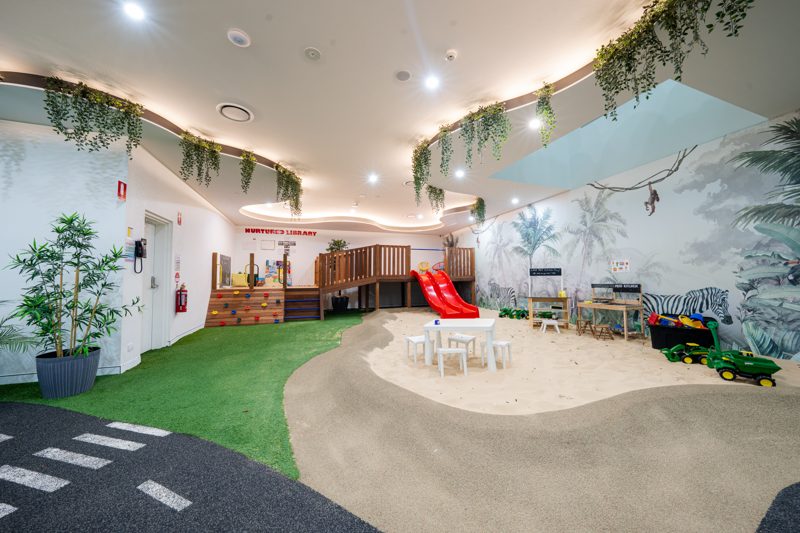
At Nurtured Education & Care, located at 8 Monash Road, Gladesville NSW 2111, educators observe and support children’s development every day through meaningful interactions, play-based learning and strong partnerships with families across Gladesville, Ryde, Hunters Hill, Putney, Meadowbank, Tennyson Point, Boronia Park and surrounding suburbs.
The most important thing to remember is this:
Every child develops differently.
Milestones are not a strict checklist that every child must follow at exactly the same time. They are general guides that help educators and families understand children’s progress and provide appropriate support.
What Are Developmental Milestones?
Developmental milestones are skills children typically develop as they grow.
They help describe progress across different areas, including:
- communication and language;
- social and emotional development;
- physical movement;
- fine motor skills;
- independence and self-care;
- thinking and problem-solving.
Children develop these skills gradually through relationships, experiences, play and everyday interactions.
For example, learning to communicate is not just about saying words.
Before children speak, they are developing:
- eye contact;
- gestures;
- listening skills;
- understanding language;
- expressing needs;
- responding to others.
Development happens step by step.
Why Monitoring Development Matters in Early Childhood
The early years provide a valuable opportunity to support children while their brains are rapidly developing.
Regular observation helps educators understand:
- what children enjoy;
- where they feel confident;
- what skills they are developing;
- where they may benefit from extra encouragement.
At Nurtured Education & Care, educators use everyday experiences to observe children’s development.
This might happen during:
- play experiences;
- group activities;
- conversations;
- meals;
- outdoor exploration;
- creative experiences.
Children often show their biggest learning moments during ordinary parts of the day.
Communication and Language Development
Communication is one of the foundations of learning.
Children develop communication skills from their earliest interactions with the people around them.
Depending on their stage of development, children may begin to:
- respond to their name;
- use sounds and gestures;
- say words;
- join conversations;
- tell simple stories;
- ask questions;
- explain ideas.
At Nurtured Education & Care, language development is supported through:
- storytelling;
- songs and rhymes;
- conversations;
- group discussions;
- imaginative play;
- language programs.
Children learn that their words, thoughts and ideas matter.
Social Development: Learning to Connect With Others
Friendships and relationships are a major part of early childhood.
Children gradually learn how to:
- play alongside others;
- share resources;
- take turns;
- cooperate;
- understand different perspectives;
- solve small conflicts.
These skills are not automatic.
Children need opportunities and guidance to practise them.
Educators support social development by helping children:
- name emotions;
- communicate needs;
- negotiate with friends;
- develop empathy.
These experiences build confidence for future environments, including primary school.
Emotional Development and Self-Regulation
One of the most important skills children develop is emotional regulation.
Young children experience big emotions because their brains are still learning how to manage feelings.
They may need support to handle:
- frustration;
- disappointment;
- excitement;
- change;
- waiting.
Over time, children learn strategies such as:
- using words to express feelings;
- asking for help;
- calming themselves;
- understanding others’ emotions.
At Nurtured Education & Care, educators create supportive environments where children feel safe expressing emotions and learning healthy ways to manage them.
Physical Development: Building Strong and Confident Bodies
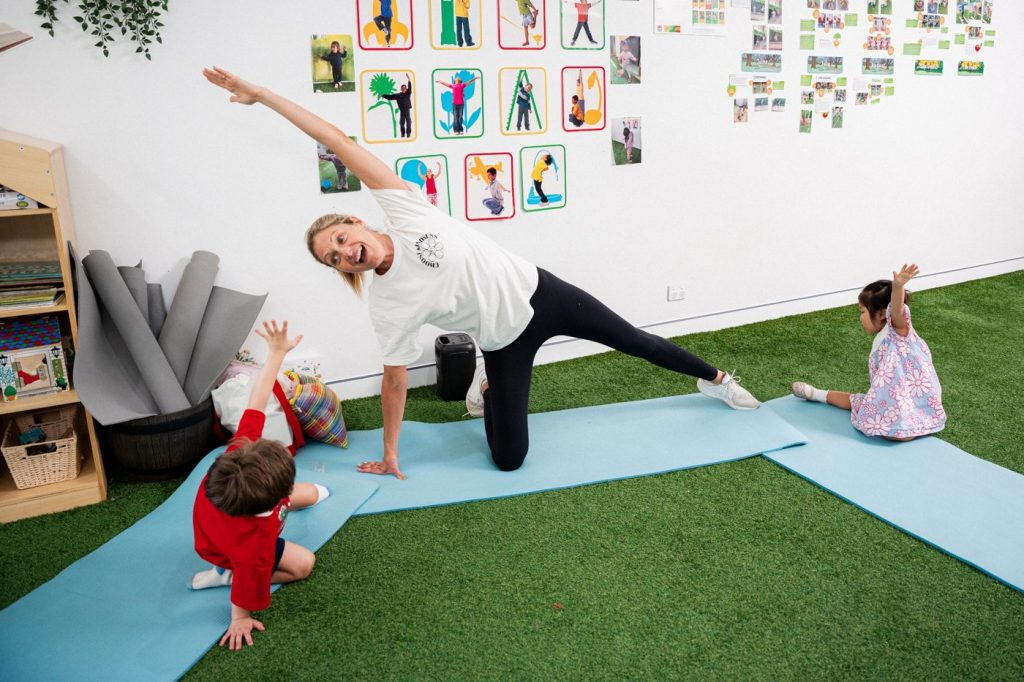
Physical development includes both large movements and smaller, more precise skills.
Gross Motor Skills
These involve whole-body movements such as:
- running;
- climbing;
- balancing;
- jumping;
- throwing.
Children strengthen these abilities through outdoor play, movement experiences and active exploration.
Fine Motor Skills
These involve smaller movements needed for everyday tasks.
Children develop fine motor skills through:
- drawing;
- painting;
- cutting;
- threading;
- puzzles;
- construction activities.
These skills support future tasks such as writing, using classroom resources and managing personal belongings.
Independence and Self-Care Skills
School readiness is not only about academic skills.
Children also need confidence managing everyday routines.
Independence develops when children are encouraged to try things themselves.
This may include:
- washing hands;
- dressing and undressing;
- packing away belongings;
- opening lunch containers;
- making choices;
- communicating needs.
These achievements may seem small, but they build a child’s belief:
“I can do this.”
That confidence is incredibly valuable when children begin school.
Cognitive Development: Thinking, Exploring and Problem-Solving
Children are naturally curious.
They learn by exploring questions such as:
“What happens if I try this?”
“Why did that happen?”
“How can I fix this?”
Cognitive development includes:
- problem-solving;
- memory;
- concentration;
- creativity;
- reasoning.
Play-based learning provides countless opportunities for children to think deeply.
Examples include:
Building Activities
Children explore:
- planning;
- design;
- balance;
- cause and effect.
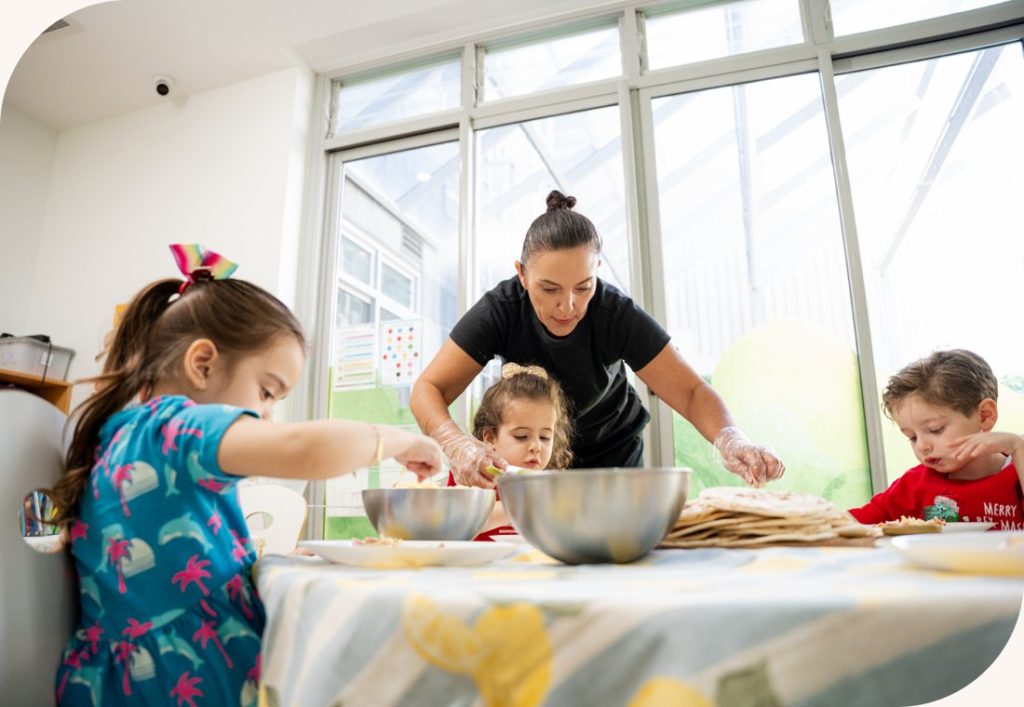
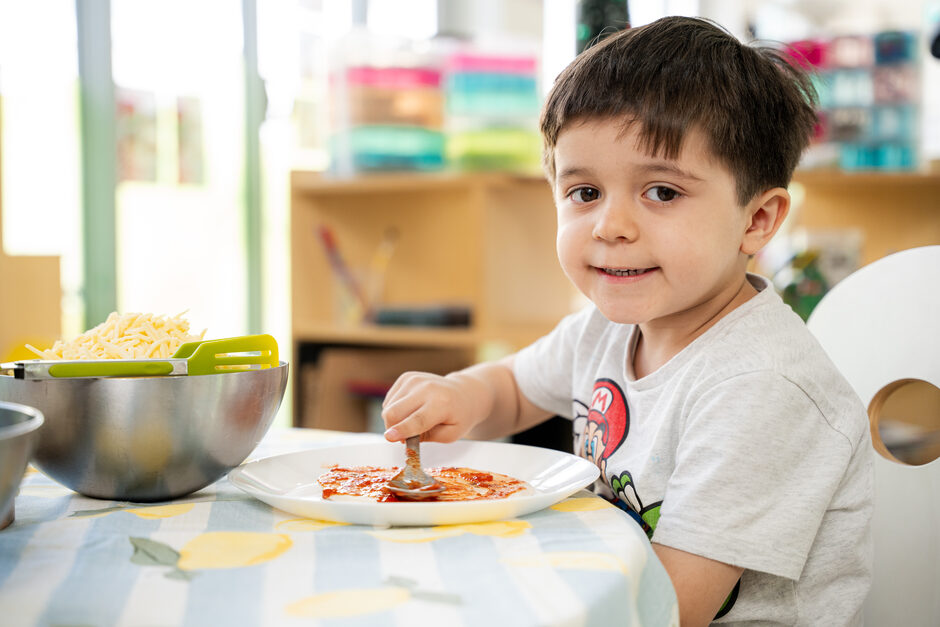
Cooking Experiences
Children practise:
- measuring;
- sequencing;
- following instructions;
- problem-solving.
Science Exploration
Children develop:
- curiosity;
- observation;
- prediction skills.
Developmental Milestones Before Starting School
As children approach Kindergarten, families often wonder what skills they should have developed.
While every child is different, school readiness commonly includes:
Social Skills
Children are learning to:
- participate in groups;
- make friends;
- communicate respectfully.
Communication Skills
Children are developing:
- confidence speaking;
- listening skills;
- storytelling abilities.
Independence
Children are practising:
- managing belongings;
- following routines;
- asking for help.
Early Literacy and Numeracy
Children are exploring:
- letters;
- sounds;
- counting;
- patterns;
- problem-solving.
At Nurtured Education & Care, our School Readiness Program supports these areas through intentional learning experiences and play.
When Should Parents Seek Additional Support?
Parents sometimes worry that asking for support means something is wrong.
In reality, early support is simply another way of helping children thrive.
Additional support may be beneficial when families or educators notice ongoing concerns with areas such as:
- communication;
- movement;
- social interaction;
- emotional regulation;
- independence.
Depending on individual needs, families may benefit from connecting with professionals such as:
- speech pathologists;
- occupational therapists;
- child health nurses;
- vision specialists;
- dental professionals;
- other health and development specialists.
Early conversations can provide reassurance, guidance and practical strategies.
The Importance of Educator and Family Partnerships
Parents know their children better than anyone.
Educators bring professional knowledge, experience and daily observations.
When families and educators work together, children receive stronger support.
At Nurtured Education & Care, we encourage open communication about:
- your child’s interests;
- their personality;
- their strengths;
- any concerns;
- goals for their development.
Together, families and educators can create an environment where children feel understood and supported.
Supporting Your Child’s Development at Home
Families can encourage development through everyday moments.
Some simple ideas include:
Read Together
Reading supports:
- language;
- imagination;
- listening skills.
Encourage Independence
Allow children to try:
- dressing;
- helping prepare food;
- packing away toys.
Ask Open Questions
Instead of asking:
“Did you have fun today?”
Try:
“What was something interesting you discovered today?”
Allow Plenty of Play
Play remains one of the most powerful ways children learn.
Why Families Trust Nurtured Education & Care
Understanding child development is at the heart of quality early learning.
At Nurtured Education & Care, we focus on the whole child — supporting their communication, confidence, independence, emotional wellbeing and curiosity.
Our educators work closely with families throughout every stage of development, from early childhood through to school transition.
Located at:
📠8 Monash Road, Gladesville NSW 2111
we proudly support families from:
- Gladesville;
- Ryde;
- Hunters Hill;
- Putney;
- Meadowbank;
- Tennyson Point;
- Boronia Park;
- East Ryde;
- North Ryde.
Frequently Asked Questions
What are the most important developmental milestones for children?
Important areas include communication, social skills, emotional regulation, physical development, independence and problem-solving.
Do all children reach milestones at the same age?
No. Children develop at different rates. Milestones are general guides, not strict deadlines.
How do childcare educators support child development?
Educators support development through observations, play-based learning, relationships, routines and intentional teaching experiences.
When should I talk to someone about my child’s development?
If you have concerns about your child’s progress, speaking with educators or health professionals can provide guidance and support.
Where can I find early learning support near Gladesville?
Nurtured Education & Care provides supportive early childhood education at 8 Monash Road, Gladesville NSW 2111, helping children develop confidence and essential skills for their future.
Every Child Has Their Own Story to Tell
Development is not a race.
Every child has their own strengths, interests and timeline.
The role of early childhood education is not to rush children through childhood — it is to provide the relationships, experiences and support they need to grow with confidence.
At Nurtured Education & Care, we are proud to be part of each child’s journey.
Book a tour today and discover an early learning environment where your child’s development is understood, supported and celebrated.