
When parents begin searching for childcare or preschool in Gladesville, one of the most common questions they ask is:
“Will my child actually learn through play?”
The answer is yes.
In fact, play is one of the most powerful ways young children learn.
For children in their early years, play is not simply entertainment. It is how they explore the world, test ideas, develop relationships, solve problems and build confidence.
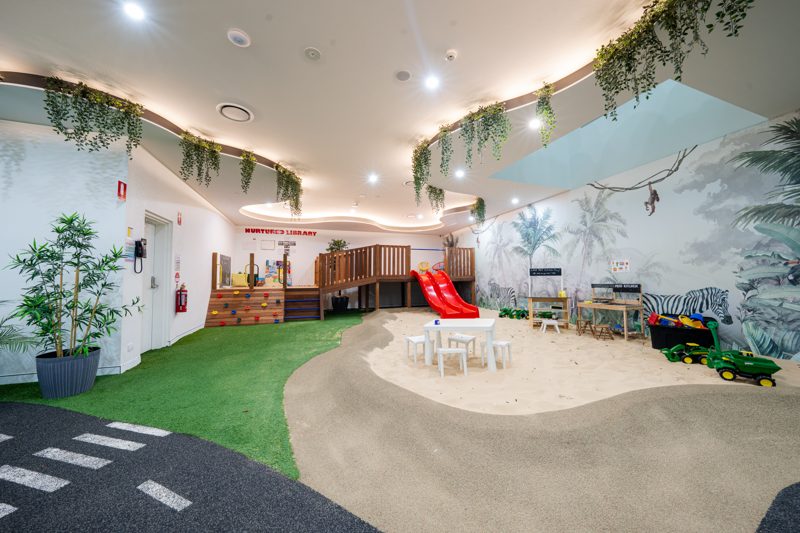
At Nurtured Education & Care, located at 8 Monash Road, Gladesville NSW 2111, our approach is built around meaningful, play-based learning experiences that support children’s development while allowing them to remain curious, creative and engaged.
For families across Gladesville, Ryde, Hunters Hill, Putney, Tennyson Point, Boronia Park, Meadowbank and surrounding suburbs, choosing an early learning centre that understands the importance of play can make a significant difference to a child’s confidence and lifelong relationship with learning.
What Is Play-Based Learning?
Play-based learning is an approach where children develop important skills through activities that are purposeful, engaging and age appropriate.
Rather than expecting young children to sit for long periods completing formal academic tasks, play-based learning recognises that children learn best when they are actively involved.
Through play, children naturally practise:
- communication;
- creativity;
- problem-solving;
- decision-making;
- independence;
- teamwork;
- emotional regulation;
- physical coordination.
Educators carefully design environments and experiences that encourage children to explore, ask questions and discover answers.
The play may look simple from the outside, but underneath it is supporting complex learning and development.
Why Play Matters During the Early Years
The first five years of life are a period of rapid brain development.
During this time, children are building the foundations for:
- language;
- relationships;
- confidence;
- emotional wellbeing;
- thinking skills;
- physical abilities.
Children are naturally curious.
They learn by touching, experimenting, asking questions, making mistakes and trying again.
Play provides the safe environment they need to do exactly that.
A child building a tower is learning more than how to stack blocks.
They are exploring:
- balance;
- planning;
- persistence;
- cause and effect;
- problem-solving.
A child pretending to run a restaurant is developing:
- language;
- imagination;
- social skills;
- mathematical thinking;
- confidence.
Every play experience has learning opportunities hidden within it.
Play-Based Learning Supports School Readiness
Some parents worry that play-based learning means children are not being prepared academically for school.
However, play-based learning supports many of the exact skills children need when they begin Kindergarten.
School readiness is about more than memorising letters and numbers.
Children also need to be able to:
- communicate confidently;
- follow instructions;
- cooperate with others;
- manage emotions;
- think independently;
- solve problems;
- stay engaged in activities.
These skills develop naturally through play.
At Nurtured Education & Care, our School Readiness Program combines play-based learning with intentional educator-led experiences to help children develop confidence before starting primary school.
Children practise:
- early literacy;
- early numeracy;
- group participation;
- independence;
- social confidence;
- communication skills.
How Play Develops Language and Communication Skills
Language development happens through interaction.
Children learn vocabulary by hearing words, asking questions, sharing ideas and participating in conversations.
Play creates endless opportunities for communication.
For example:
Imaginative Play
When children pretend to be doctors, teachers, chefs or shopkeepers, they practise:
- storytelling;
- conversation;
- role-playing;
- expressing ideas.
Group Games
Children learn:
- listening;
- taking turns;
- explaining rules;
- negotiating with friends.
Story-Based Activities
Children develop:
- vocabulary;
- comprehension;
- imagination;
- confidence speaking in groups.
Educators support these moments by introducing new words, asking questions and encouraging children to explain their thinking.
How Play Builds Early Literacy Skills
Reading and writing foundations begin long before children pick up a book independently.
Through play, children develop the building blocks of literacy.
These include:
- recognising sounds;
- building vocabulary;
- understanding stories;
- developing memory;
- strengthening concentration.
Examples include:
Drawing and Mark Making
Children develop:
- pencil control;
- hand strength;
- confidence with symbols and shapes.
Songs and Rhymes
Children learn:
- rhythm;
- sound patterns;
- listening skills;
- language structures.
Storytelling
Children practise:
- imagination;
- sequencing;
- comprehension.
At Nurtured Education & Care, programs such as PreLit and Reading Eggs complement play-based experiences by supporting early reading confidence in engaging and age-appropriate ways.
How Play Develops Early Numeracy Skills
Mathematics is everywhere in children's play.
Children develop early numeracy skills through everyday experiences such as:
- counting toys;
- sorting objects;
- building structures;
- measuring ingredients;
- recognising patterns;
- comparing sizes.
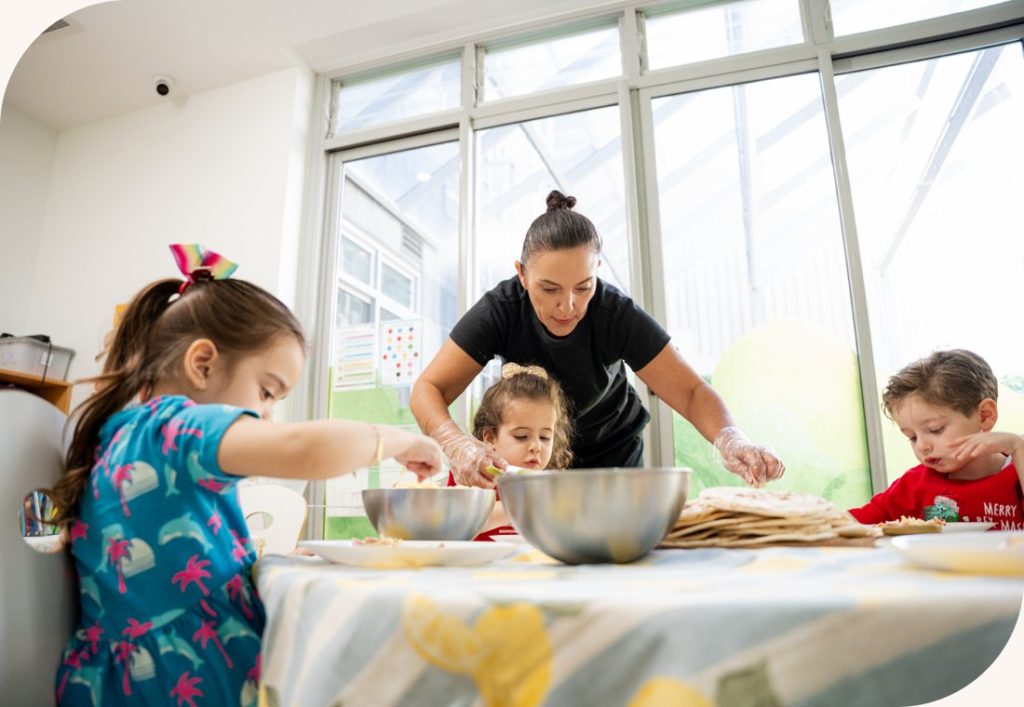
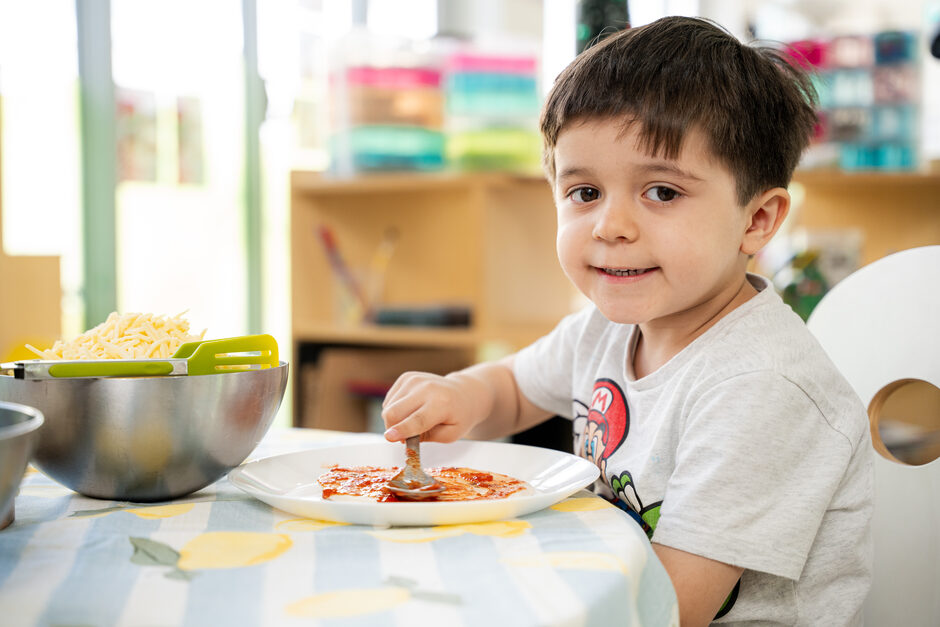
For example, during cooking activities, children may explore:
- measurements;
- quantities;
- following sequences;
- problem-solving.
During construction play, they learn:
- shapes;
- balance;
- spatial awareness;
- planning.
These experiences help children understand mathematical concepts naturally.
The Role of Outdoor Play in Child Development
Outdoor play is an essential part of early childhood learning.
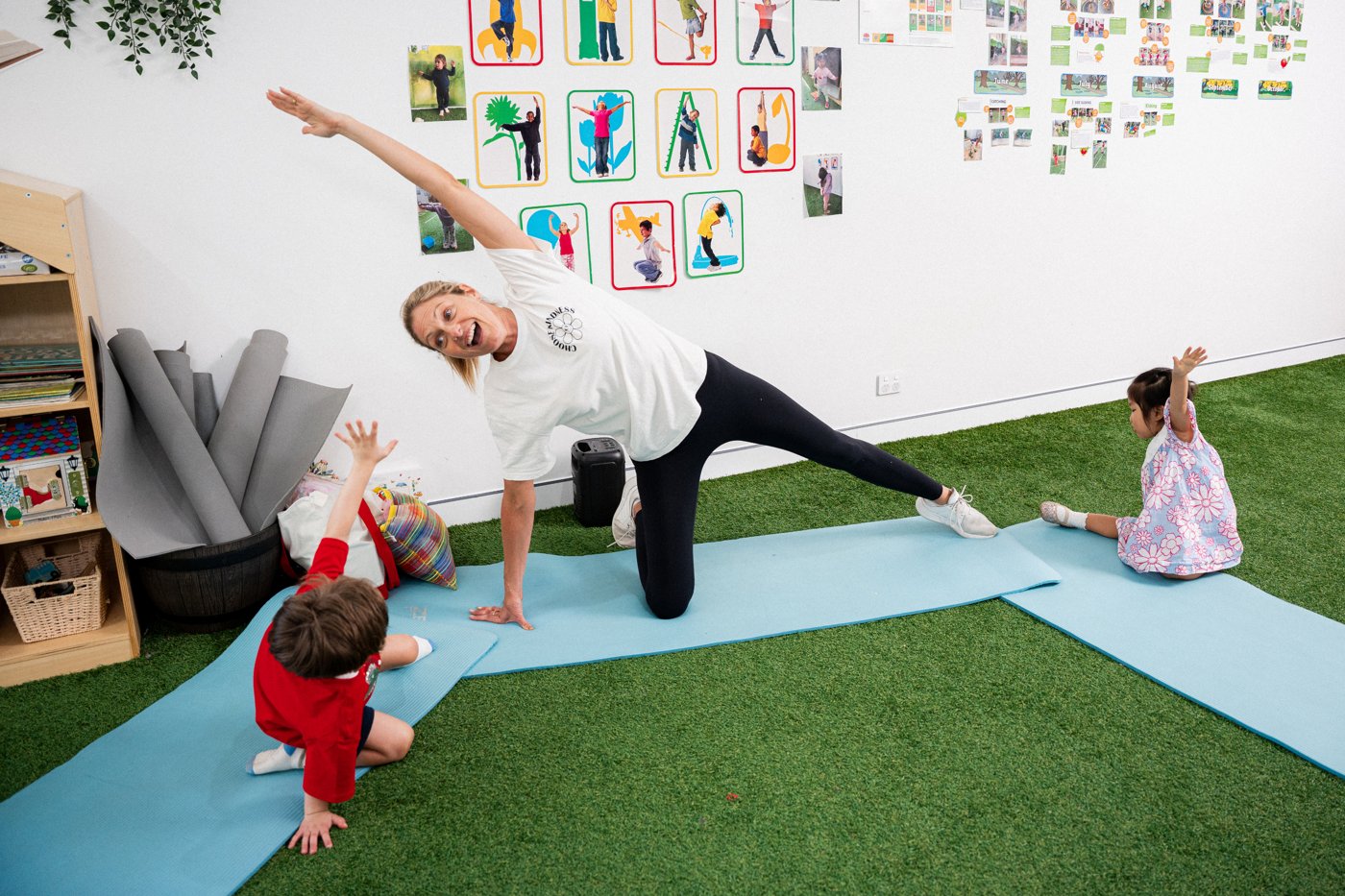
Children need opportunities to move, explore and challenge their bodies.
Outdoor experiences support:
Physical Development
Children strengthen:
- balance;
- coordination;
- strength;
- confidence.
Risk Assessment Skills
Children learn to:
- judge challenges;
- make decisions;
- understand boundaries.
Emotional Development
Outdoor play encourages:
- resilience;
- persistence;
- confidence trying new things.
At Nurtured Education & Care, outdoor environments encourage active exploration, creativity and connection with nature.
Play Helps Children Develop Emotional Regulation
One of the most valuable skills children develop through play is learning how to manage emotions.
Children experience many feelings during play:
- excitement;
- frustration;
- disappointment;
- curiosity;
- pride.
With educator support, children learn strategies to:
- communicate feelings;
- solve problems;
- negotiate with others;
- recover from challenges.
These skills become incredibly valuable when children transition into school environments where they need to manage new routines, friendships and expectations.
Creativity and Problem-Solving: Skills for the Future
The world children grow up in will continue to change.
While specific knowledge may change, skills like creativity, adaptability and problem-solving will always matter.
Play encourages children to think:
“What could I try?”
“What happens if I do this?”
“Is there another way?”
Whether children are creating artwork, designing a structure, experimenting with water or inventing imaginary games, they are learning how to think independently.
What Does Play-Based Learning Look Like at Nurtured Education & Care?
At our Gladesville early learning centre, play-based learning may include:
Creative Experiences
Children explore:
- painting;
- drawing;
- music;
- movement;
- storytelling.
These experiences support self-expression and creativity.
Construction and Building
Children develop:
- problem-solving;
- teamwork;
- spatial awareness.
Cooking Experiences
Children learn:
- independence;
- healthy eating;
- measurement;
- practical life skills.
Language Experiences
Children develop:
- communication;
- vocabulary;
- cultural awareness.
Outdoor Exploration
Children strengthen:
- physical skills;
- confidence;
- curiosity.
Every activity is planned with children's development in mind.
Play-Based Learning and the Early Years Learning Framework (EYLF)
Quality early childhood education in Australia follows the Early Years Learning Framework (EYLF), which recognises play as central to children's learning.
The framework focuses on children developing:
- strong identities;
- connection with their world;
- confidence as learners;
- communication skills;
- wellbeing.
Play-based learning aligns naturally with these principles because children are active participants in their own learning.
Why Families Choose Play-Based Learning in Gladesville
For many families, the appeal of play-based learning is simple:
Children enjoy coming to childcare.
They feel confident exploring.
They develop skills without feeling pressured.
They build positive relationships with educators and friends.
At Nurtured Education & Care, we believe children learn best when they feel safe, supported and inspired.
Learning should not take away the joy of childhood.
It should build upon it.
Frequently Asked Questions
Is play-based learning suitable before Kindergarten?
Yes. Play-based learning supports many of the social, emotional, physical and cognitive skills children need before starting school.
Does play-based learning include literacy and numeracy?
Absolutely. Children develop literacy and numeracy skills through stories, songs, games, construction, cooking, counting and problem-solving activities.
How does play prepare children for school?
Play helps children develop confidence, independence, communication skills, emotional regulation and the ability to work with others.
Where can I find a play-based childcare centre near Gladesville?
Nurtured Education & Care provides play-based early childhood education from 8 Monash Road, Gladesville NSW 2111, supporting families from Gladesville, Ryde, Hunters Hill, Putney, Meadowbank and nearby suburbs.
Give Your Child the Confidence to Learn Through Play
The most meaningful learning experiences often begin with curiosity.
At Nurtured Education & Care, children are encouraged to explore, create, question and discover in an environment where play and learning work together.
If you are looking for a nurturing play-based childcare centre in Gladesville, we would love to welcome your family.
📠8 Monash Road, Gladesville NSW 2111
📞 (02) 9804 6553
Book a tour today and discover how play-based learning helps children build the foundations for a confident future.